Welcome to the República de Panamá, a vibrant nation in Central America. This country connects North and South America. It features amazing coastlines on both the Caribbean Sea and Pacific Ocean.
The population exceeds four millones people. They live across diverse landscapes from tropical beaches to cool highlands. This país gained independence in 1903 and has grown ever since.
Its most famous landmark is the incredible canal panamá. This engineering marvel serves as a crucial global trade ruta. It highlights the nation’s strategic importance worldwide.
Visitors enjoy rich cultural diversity and numerous actividades. Explore UNESCO sites, lush rainforests, and vibrant cities. The capital offers modern servicios alongside historic charm.
Whether seeking adventure or relaxation, this destination delivers unforgettable experiences. Its natural beauty and warm hospitality make it a top choice for travelers.
Key Takeaways
- Panama bridges two continents with unique geography and coastlines.
- The Panama Canal is a historic engineering achievement and a vital trade route.
- Diverse ecosystems range from beaches to highlands with rich biodiversity.
- Cultural influences include Indigenous, Afro-Caribbean, and Spanish heritage.
- Economic growth has established the country as a regional hub.
- Tourism options include ecotourism, cultural sites, and adventure activities.
- Entry requirements and climate vary by region and season.
Introduction to Panama’s Diverse Landscape
This slender isthmus nation bridges two continents with extraordinary geographical diversity. The country spans 75,517 square kilometers with coastlines stretching 2,490 kilometers.
Its position creates a natural land bridge between North and South America. This strategic location has shaped its history and ecological significance.
The terrain rises from coastal plains to mountainous interiors. Volcán Barú stands as the highest peak at 3,475 meters.
| Geographical Feature | Measurement | Significance |
| Total Area | 75,517 km² | Connects two continents |
| Coastline Length | 2,490 km | Both Caribbean and Pacific access |
| Highest Point | 3,475 m | Volcán Barú summit |
| Administrative Divisions | 10 provinces | Plus 5 indigenous regions |
Climate zones range from tropical humid to cool highlands. This variation supports incredible biodiversity across microclimates.
Protected areas cover significant portions of the territory. They safeguard numerous species and unique ecosystems.
From certain high points, visitors can witness both oceans. This rare geographical feature exists in a few places worldwide.
The population is unevenly distributed across urban and rural areas. Most residents live in the areas. Most residents live in the capital region and provincial centers.
Natural resources include mineral deposits and rich marine life. Forestry and water resources also contribute to the economy.
Environmental conservation remains a priority nationwide. The protected areas system preserves natural heritage for future generations.
Geography influences settlement patterns and economic activities. Coastal regions focus on maritime industries while highlands develop agriculture.
This landscape diversity creates unique tourism opportunities. Visitors can experience multiple ecosystems within a short distance.
“The isthmus represents one of the world’s most biologically significant land bridges, hosting species from two continents.”
International Conservation Organization
Access to diverse environments supports a range of recreational services. These range from beach activities to mountain hiking adventures.
The nation’s geographical value extends beyond its famous canal. Its position makes it a crucial biological corridor and trade route.
Understanding this diverse landscape helps appreciate the country’s full potential. It reveals why Tao Travel 365 Tours, among others, offer such varied experiences in the country.
The Engineering Marvel: Panama Canal
Standing as one of humanity’s greatest engineering achievements, the Panama Canalrepresents incredible human determination. This waterway forever transformed global trade patterns.
Construction began with French efforts in the 1880s. After overcoming tremendous challenges, American engineers completed the project in 1914. The achievement required overcoming tropical diseases and difficult terrain.
The canal stretches 82 kilometers across the narrowest part of the isthmus. It connects the Atlantic and Pacific oceans through an ingenious lock system.
| Technical Feature | Measurement | Purpose |
| Total Length | 82 km | Transcontinental connection |
| Lock Chambers | 3 sets | Raise/lower ships 26 meters |
| Transit Time | 8-10 hours | Complete crossing duration |
| Annual Transits | ~14,000 | Commercial vessel traffic |
| Water Usage | 52 million gallons | Per ship transit |
Gatun Lake serves as the canal’s vital water reservoir. This artificial lake provides the necessary water for lock operations. It also created new aquatic habitats.
The waterway’s economic value cannot be overstated. It saves ships approximately 8,000 nautical miles compared to Cape Horn routes. This efficiency benefits global trade.
Modern expansion projects have increased capacity significantly. New locks allow larger “Neopanamax” vessels to transit. This growth ensures continued relevance.
Environmental management remains crucial to operations. Conservation measures protect local species and water resources. The canal authority maintains a careful balance.
“This interoceanic passage represents both engineering brilliance and environmental stewardship, serving global commerce while protecting natural resources.”
Canal Administration Authority
Visitor centers offer fascinating información about canal operations. Observation platforms provide spectacular views of ship transits. These services educate millions annually.
The canal’s operation requires precise coordination. Pilots guide ships through the narrow channels. Tugboats assist with positioning in locks.
This engineering wonder continues to evolve. Future modernization plans include water-saving basins and technology upgrades. These improvements will maintain its global importance.
The waterway stands as a symbol of national pride for the Panama Republic. It demonstrates what determined people can achieve through cooperation and innovation.

Panama City: Where History Meets Modernity
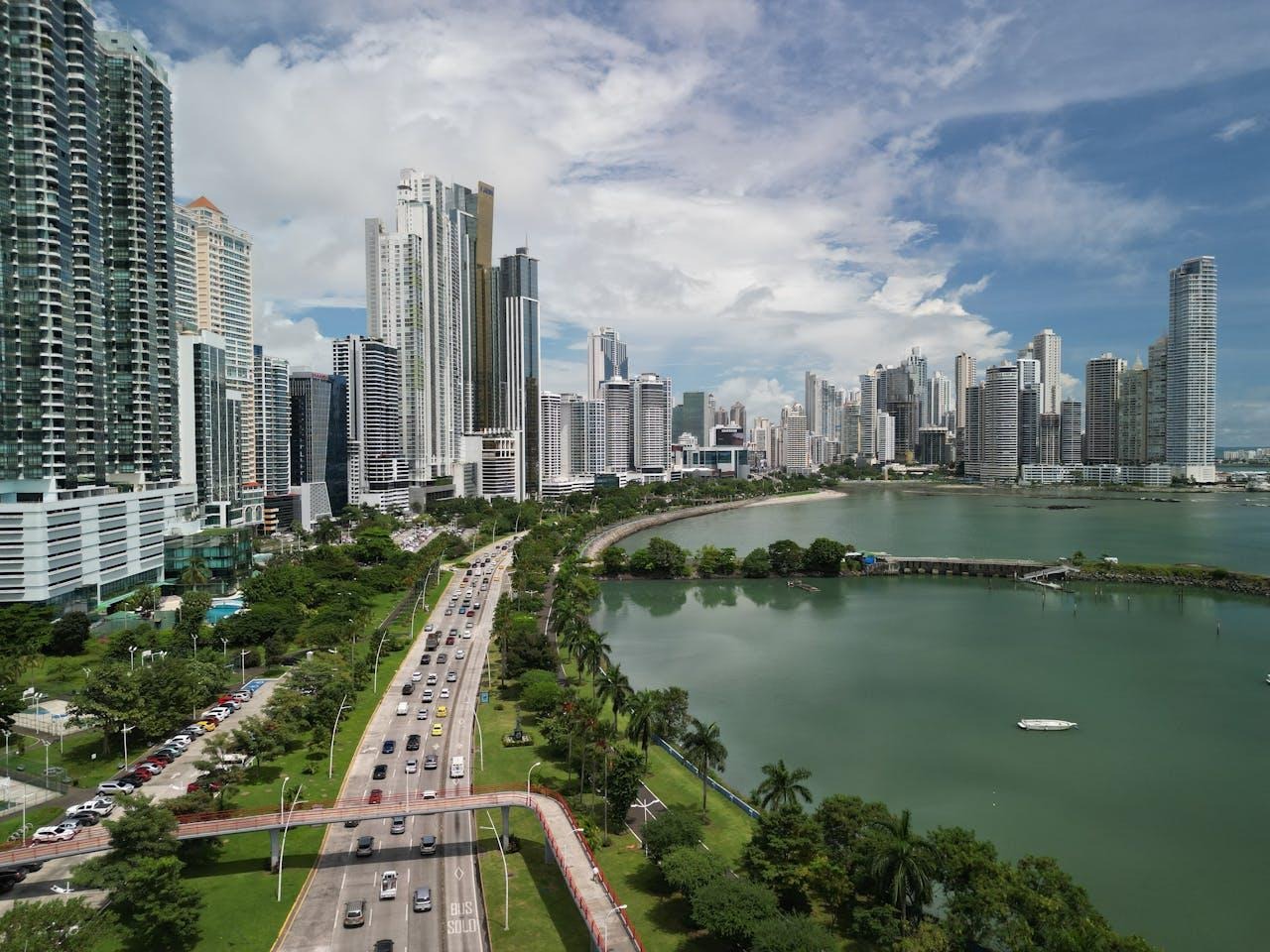
The vibrant capital of this Central American republic seamlessly blends five centuries of history with cutting-edge modernity. Founded in 1519, it became the first European settlement on the Pacific coast of the Americas.
Today, approximately 410,000 residents call this urban center home. The metropolitan area serves as the economic engine of the país, driving national growth.
Two UNESCO World Heritage sites showcase their rich heritage. Panamá Viejo preserves the original settlement’s ruins, while Casco Antiguo features beautifully restored colonial architecture.
“This city represents the perfect fusion of historical preservation and contemporary development, offering visitors a unique urban experience that spans centuries.”
Urban Development Authority
The skyline dazzles with over 200 skyscrapers, earning comparisons to global financial centers. This modern facade houses the second largest free trade zone in the world.
Cultural activities abound throughout the city. Museums, theaters, and historical sites provide endless exploration opportunities. The dining scene earned UNESCO recognition as a Creative City of Gastronomy.
Excellent transportation services include Tocumen International Airport. This hub offers convenient access for international visitors arriving in the Republic of Panama.
Visitors enjoy diverse shopping experiences. Options range from traditional markets to modern shopping malls. Green spaces provide peaceful retreats within the urban environment.
The city serves as a perfect base for day trips. Nearby islands and natural attractions offer quick escapes from urban life. This strategic location enhances its value as a tourism destination.
Nightlife thrives across various neighborhoods. Entertainment options cater to all tastes and preferences. The city’s energy continues around the clock.
This dynamic urban center demonstrates a successful balance between preservation and progress. It stands as a testament to the nation’s ability to honor its past while embracing the future.
Bocas del Toro Archipelago
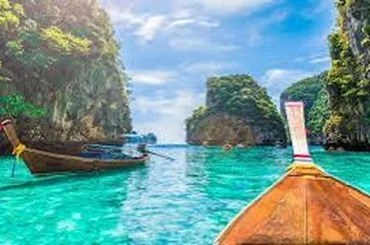
The Bocas del Toro island chain presents a stunning Caribbean escape with vibrant culture and pristine nature. This tropical paradise lies in the northwestern part of the country, offering breathtaking scenery.
Comprising nine main islands and countless smaller cays, the archipelago displays diverse características. Each island boasts unique landscapes from white-sand beaches to dense mangrove forests.
“This Caribbean gem represents one of the most biodiverse marine regions in the mundo, hosting incredible underwater ecosystems that attract researchers and nature lovers alike.”
Marine Conservation Society
The marine environment teems with life. Vibrant coral reefs support numerous species of tropical fish and marine creatures.
- Over 95% of the archipelago remains a protected natural area
- Coral reefs span approximately 32,600 hectares
- Home to 95% of Caribbean mangrove species
- Critical habitat for endangered sea turtles
Cultural heritage reflects rich Afro-Caribbean influences alongside indigenous Ngäbe traditions. Local communities maintain centuries-old customs and languages.
The población of approximately 19,000 residents spreads across the islands. Most inhabitants live on Isla Colón, the main island.
Water-based activities attract visitors throughout the year. Popular options include:
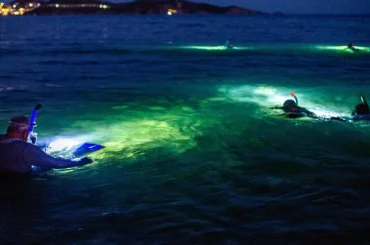
- Snorkeling among vibrant coral gardens
- Surfing world-class Caribbean breaks
- Diving to explore underwater caves
- Kayaking through mangrove channels
Conservation efforts protect this precious región. National marine parks cover significant portions of the archipelago.
Local cuisine showcases Caribbean flavors with fresh seafood. Traditional dishes incorporate coconut, plantains, and fresh-caught fish from the agua.
Transportation between islands operates via water taxis and ferries. Regular flights connect the archipelago to the capital in just 45 minutes.
Accommodation options range from eco-lodges to beachfront properties. Sustainable tourism supports local growth while preserving natural resources.
Seasonal variations affect wildlife viewing opportunities. Dry season (December-April) offers optimal conditions for outdoor activities.
Environmental challenges include coral bleaching and coastal development. Conservation programs work acuerdo with local communities to address these issues.
This spectacular destination offers unique services for nature enthusiasts. Its natural value makes it essential for biodiversity conservation.
Visitors can obtain detailed información from local tourism offices. Proper planning ensures responsible access to sensitive ecosystems.
The archipelago represents an important route for migratory species. Its protected status helps maintain ecological balance throughout the province.
Recent data show increasing tourist numbers over recent años. Sustainable management remains crucial for long-term preservation.
Traditional knowledge from local fuentes enhances visitor experiences. Cultural tours offer authentic insights into island life.
The Bocas del Toro archipelago stands as a crown jewel in the country. Its natural beauty rivals the engineering marvel of the channel.
This destination contributes significantly to the país‘s tourism economy. Millions of visitors discover its charms each year.
Preservation efforts ensure future generations can enjoy this Caribbean paradise. Sustainable practices protect both natural and cultural heritage.
Boquete: Mountain Retreat in Chiriquí
Nestled in the western highlands, Boquete offers a refreshing mountain escape from tropical lowlands. This picturesque valley in Chiriquí province sits at an elevation of 1,200 meters. The cool climate provides welcome relief from coastal heat.
Temperatures average 18-24°C throughout the año. This perfect climate supports diverse agriculture. The region’s unique características make it ideal for coffee cultivation.
Local coffee plantations use traditional processing methods. Visitors can tour farms to learn about harvesting techniques. Many estates offer tasting sessions of premium blends.
“The highland microclimate creates exceptional conditions for specialty coffee production, with volcanic soil and perfect altitude combining to produce world-class beans.”
Agricultural Research Institute
Outdoor activities abound in this mountain región. Well-maintained trails lead to stunning waterfalls and volcanic areas. The area serves as the main access point for climbing Volcán Barú.
Birdwatchers flock here to observe numerous species. The cloud forests host quetzals and hundreds of other birds. Wildlife observation opportunities exist throughout the valley.
Local gastronomy features farm-to-table experiences. Restaurants serve fresh produce from nearby farms. The culinary scene reflects the area’s agricultural richness.
Accommodation options range from boutique hotels to eco-lodges. Many properties offer stunning mountain views. Visitors enjoy comfortable services amidst natural surroundings.
Transportation to the mountain región is well-developed. Regular buses connect to David city and other parts of the país. The journey from Panama City takes approximately 6-7 hours.
Seasonal events include the famous Coffee and Flower Festival. This celebration highlights local culture and products. The event attracts visitors from across the world.
The area has developed a significant expatriate community. Many retirees choose this destination for its pleasant climate. This international presence contributes to local growth.
Environmental conservation practices are widely implemented. Tourism operations work in accordance with sustainability principles. These efforts protect the region’s natural value.
Recent data show increasing visitor numbers over recent años. The población of approximately 20,000 residents welcomes tourism. Local fuentes provide excellent tourist información.
This mountain retreat represents an important route for nature tourism. Its protected status helps maintain ecological balance. The area contributes significantly to the country’s tourism economy.
Boquete stands as a crown jewel in the republic. Its natural beauty complements the engineering marvel of the canal. This destination offers unique experiences different from coastal areas.
Preservation efforts ensure future generations can enjoy this highland paradise. Sustainable practices protect both natural and cultural heritage. The region maintains its charm while supporting responsible tourism.

Riviera Pacífica: Coastal Accessibility
Just over an hour’s drive from the bustling capital, this coastal stretch offers a perfect weekend escape. The Riviera Pacífica serves as a prime destination for both locals and international visitors. Its proximity makes it an ideal route for quick getaways.
This región features diverse beach environments to suit every preference. Surfers find excellent waves at spots like Coronado. Calmer waters provide safe swimming areas for families.
Water sports enthusiasts enjoy numerous activities throughout the year. Punta Chame offers ideal conditions for kite surfing and paddleboarding. Fishing excursions depart regularly to nearby islands.
“The Pacific coastline represents exceptional recreational value with its variety of marine environments and accessibility from urban centers.”
Coastal Tourism Board
El Valle de Antón presents a unique mountain experience within this coastal province. This town sits inside an extinct volcanic crater. Visitors enjoy hiking to waterfalls and relaxing in natural hot springs.
Wildlife observation opportunities abound throughout the area. Birdwatchers can spot numerous species along coastal and forest trails. Marine tours frequently encounter dolphins and seasonal whales.
Accommodation options range from luxury resorts to casual beach hotels. Many properties offer stunning ocean views and excellent services. Vacation home communities provide additional lodging choices.
Dining experiences highlight fresh seafood and local cuisine. Restaurants serve traditional dishes featuring ingredients from both land and sea. The culinary scene reflects the area’s rich resources.
Environmental conservation efforts protect this valuable coastal ecosystem. Local organizations work in accordance with communities to preserve natural habitats. These initiatives ensure sustainable tourism development.
Recent tourism data show significant growth over recent años. The area’s popularity continues to increase among domestic and international visitors. This growth benefits local economies while maintaining environmental balance.
This accessible coastal part of Panama demonstrates the country’s geographical diversity. While the canal showcases engineering achievement, this region highlights natural coastal beauty.
The Riviera Pacífica represents an important tourism destination within the país. Its combination of accessibility and natural attractions makes it particularly valuable. Millions of visitors enjoy its charms each year.
Preservation efforts ensure this coastal paradise remains protected for future generations. Sustainable practices balance development with conservation. The region maintains its authentic character while offering modern amenities.
Indigenous Communities and Cultural Experiences
Deep within the heart of this diverse nation, ancient traditions thrive alongside modern life. Seven distinct indigenous groups maintain their cultural heritage across the país. These communities represent living connections to pre-Columbian history.
Each group inhabits specific geographical regions with unique caractéristiques. The Guna live primarily in the San Blas archipelago. Emberá and Wounaan communities reside in Darién’s rainforests. Ngäbe and Buglé populations occupy western highlands.
“Indigenous communities serve as guardians of ancestral knowledge and biodiversity, maintaining cultural traditions that span centuries while adapting to contemporary challenges.”
Cultural Preservation Society
Traditional governance systems operate within designated comarcas. These autonomous regions allow self-determination. Local leaders make decisions based on customary laws.
| Indigenous Group | Primary Region | Cultural Specialization |
| Guna | Guna Yala Comarca | Mola textile art |
| Emberá | Darién Province | Wood carving & basketry |
| Wounaan | Emberá-Wounaan Comarca | Intricate weaving |
| Ngäbe | Ngäbe-Buglé Comarca | Traditional ceramics |
| Naso Tjerdi | La Amistad International Park | Environmental stewardship |
Artisan crafts showcase incredible skill and cultural meaning. Molas feature layered fabric designs with symbolic patterns. Woven baskets demonstrate precise techniques passed through generations.
Cultural ceremonies maintain spiritual connections to nature. Traditional dances accompany important community events. These practices preserve language and identity.
Community-based tourism offers authentic visitor experiences. The indigenous communities portal provides valuable información for respectful cultural exchange. Visitors participate in daily activités and learn ancestral techniques.
Language preservation remains crucial for cultural survival. Many communities maintain native tongues alongside Spanish. Educational programs teach younger generations traditional languages.
Economic activités blend traditional and modern approaches. Craft sales provide income while sharing cultural heritage. Sustainable tourism supports community growth.
Environmental stewardship practices protect natural resources. Indigenous knowledge contributes to conservation efforts. Many communities reside within protected areas.
Challenges include balancing tradition with modernization. Communities work to maintain cultural integrity while accessing contemporary services. This balance requires careful negotiation.
Opportunities for cultural exchange benefit both visitors and communities. Shared experiences create mutual understanding. These interactions support preservation efforts.
The población of indigenous communities continues cultural traditions. Their contributions enrich the nation’s diversity. These living cultures represent an essential part of national identity.
Recent data show increasing interest in cultural tourism. Visitors seek authentic experiences with indigenous communities. This growth supports cultural preservation.
These communities offer unique perspectives on sustainable living. Their relationship with nature provides valuable lessons. Traditional knowledge contributes to environmental conservation.
The cultural value of indigenous traditions enhances the nation’s appeal. While the Canal represents an engineering achievement, these communities showcase cultural heritage. Both contribute to Panamá’s unique identity.

Outdoor Adventures and Ecotourism
This Central American nation transforms into an expansive natural playground for outdoor enthusiasts. The país offers unparalleled access to diverse ecosystems within compact geographical areas. Visitors discover countless opportunities for adventure and environmental discovery.
Protected areas cover over 30% of the national territory. This extensive network safeguards numerous habitats and species. Conservation efforts operate in accordance with sustainable tourism principles.
“Panama’s protected areas represent one of the most comprehensive conservation systems in the Americas, offering visitors access to pristine ecosystems while supporting scientific research and community development.”
National Environmental Authority
Hiking trails traverse multiple climate zones and ecosystems. Options range from coastal paths to cloud forest routes. The famous Sendero de los Quetzales offers spectacular birdwatching opportunities.
Wildlife viewing ranks among the world’s best experiences. Over 1,000 bird species have been recorded nationwide. Mammal spotting includes howler monkeys, sloths, and big cats in protected areas.
| Adventure Activity | Primary Locations | Best Season |
| Whale Watching | Gulf of Chiriquí, Pacific Coast | July-October |
| Bird Watching | Darién, Western Highlands | Dry Season |
| Rainforest Trekking | National Parks Nationwide | Year-Round |
| Coral Reef Diving | Caribbean Islands, Pacific Coast | December-April |
Marine activités showcase incredible underwater biodiversity. The Gulf of Chiriquí serves as a premier whale migration route. September offers peak viewing opportunities for humpback whales.
Adventure sports provide thrilling experiences across the región. Options include whitewater rafting, zip-lining through forest canopies, and volcanic climbing. These activités cater to various skill levels and preferences.
Ecotourism accommodations prioritize sustainability and environmental harmony. Properties like Selva Terra Island Resort demonstrate innovative, eco-friendly practices. This solar-powered resort offers comprehensive nature experiences.
Guided tours enhance visitor experiences with expert knowledge. Naturalist guides provide valuable información about local ecosystems. Cultural tours offer insights into indigenous traditions and sustainable practices.
Scientific tourism opportunities attract researchers and students. The country’s biodiversity makes it a living laboratory. Ongoing studies contribute valuable data for conservation efforts.
Seasonal variations affect activity planning throughout the año. The dry season (December-April) offers optimal conditions for most outdoor activities. The rainy season reveals lush landscapes and fewer crowds.
Safety considerations ensure enjoyable adventures. Proper preparation includes appropriate gear and local guidance. Emergency services maintain coverage in popular tourism areas.
This nation’s natural valor extends beyond the famous Panama canal. Its diverse landscapes support countless recreational opportunities. These experiences contribute significantly to the tourism economy.
The republic has demonstrated remarkable growth in sustainable tourism. Recent años show increasing visitor numbers to natural areas. This growth benefits local communities while preserving the environment.
For detailed planning información, consult official tourism sources. These resources provide accurate guidance about seasonal conditions and conservation programs. Proper preparation ensures responsible accès to sensitive ecosystems.
Outdoor adventures reveal the country’s true natural wealth. While engineering marvels like the canal impress, the wilderness experiences create lasting connections. Both aspects contribute to the nation’s unique appeal.
Creating Lasting Memories in Panama
Creating unforgettable memories defines every journey through this remarkable Central American nation. Visitors discover authentic cultural interactions across diverse regións. These experiences create personal connections that last beyond the trip.
Photography opportunities capture stunning landscapes and vibrant traditions. Iconic viewpoints showcase the country’s natural beauty. These images become cherished reminders of adventures.
Sustainable tourism practices ensure positive impacts on the local población. Responsible choices support community growth while preserving the environment. This approach benefits both visitors and residents.
Recent tourism data confirm the Republic of Panama’s rising popularity. Recognition from Leisure Lifestyle Awards and Lonely Planet highlights its appeal. These honors reflect exceptional visitor experiences.
Many travelers plan return visits to explore different provinces. Each part of the country offers unique caractéristiques. This diversity encourages ongoing discovery.
Sharing experiences through social media inspires others to visit. The #VisitPanama campaign collects these memorable stories. These shared moments showcase the country’s appeal.
For detailed travel información, consult official tourism sources. These resources help plan meaningful journeys. Proper preparation enhances every adventure.
Personal transformations often accompany these travels. Visitors gain new perspectives through cultural immersion. These changes represent the deepest valor of exploration.
The canal remains an engineering marvel worth experiencing. Yet the true magic lies in human connections and natural wonders. These elements create memories that endure for años.