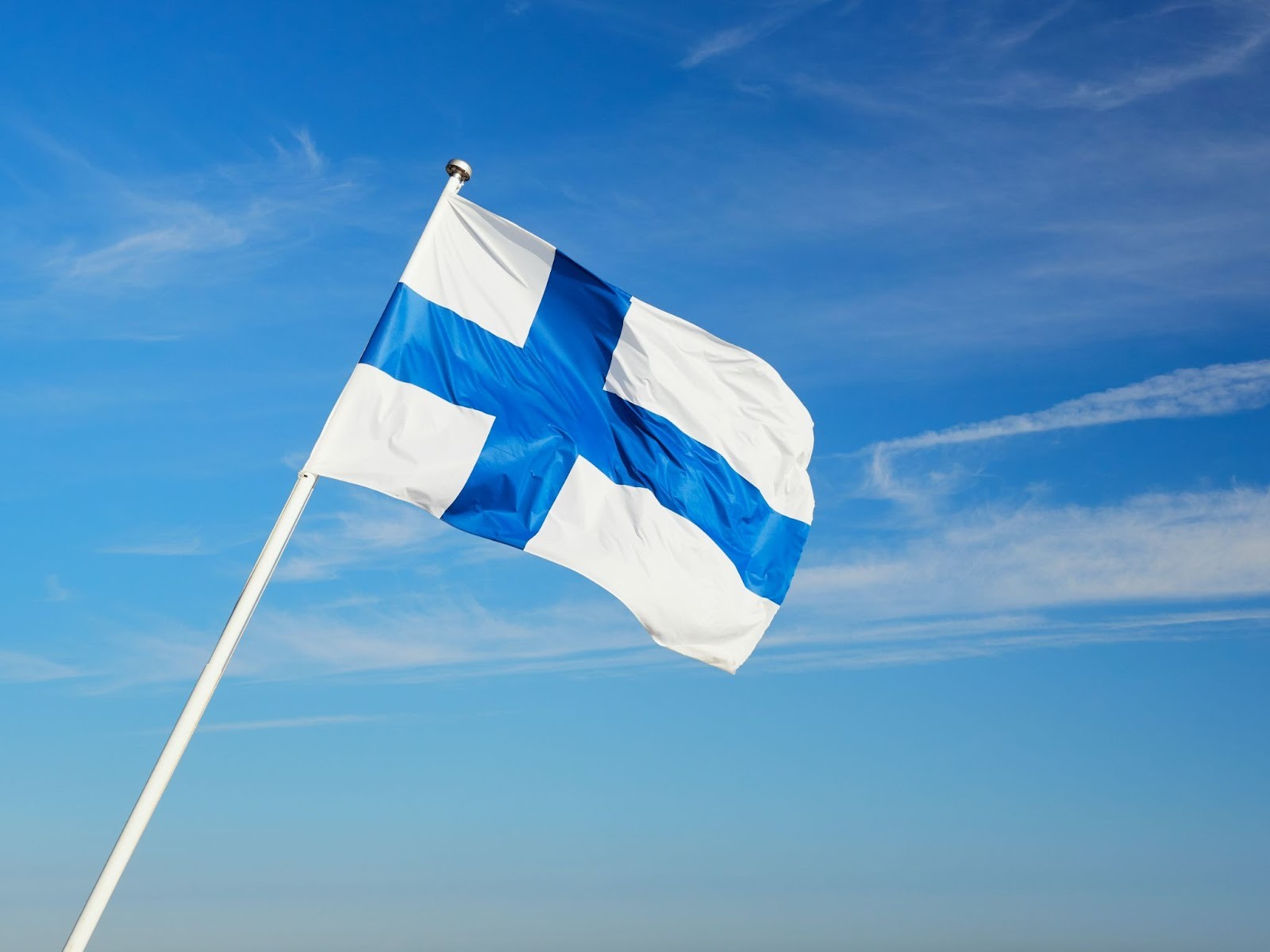
Finland is no longer just a niche dream for husky rides and Santa selfies — it’s set for a record-breaking winter tourism season in 2025, and that could ripple all the way back to the UK travel industry.
A Serious Surge in Finland Winter Holidays
Finland is expecting around 1.3 million tourists between December 2025 and March 2026 — a 10% rise over last year. What’s more, Business Finland projects that these visitors will collectively spend about €1.3 billion.
A big chunk of this boom is happening in Lapland, which draws nearly two-thirds of all foreign winter visitors. Regions like Helsinki also benefit — the Finnish capital typically sees about a quarter of foreign tourists in the winter months. Finland’s winter surge isn’t a fluke. It’s the result of smart policy, shifting traveller behaviour, and a global push toward colder, nature-rich destinations — and the UK is right in the middle of it.
Let’s break it down.
Why Finland Holidays Are Suddenly Exploding
Three things are feeding this boom:
- Climate anxiety – Travellers want “real winter.” Snow reliability in the Alps is dropping, while northern Finland still guarantees deep winter conditions well into spring. If you want dog sledging, auroras, and proper Arctic dark skies, Finland still delivers.
- Safety and governance – Finland consistently ranks among the world’s safest destinations. Its strict environmental laws, thoughtful city planning, and reliable public services make it easy for international visitors — particularly families from the UK — to feel comfortable.
- Experience-driven travel – There’s a noticeable shift from shopping-heavy city breaks to outdoors-first holidays. A Finland winter holiday ticks every box: forests, wildlife, silence, slow travel, and even a dose of folklore.

Yes, the Boom Has Consequences — But There’s a Way Forward
There’s no point sugar-coating the challenges. Lapland in particular is under pressure. New builds are nibbling at fragile wilderness areas; locals worry about losing traditional reindeer migration corridors; and some cities, like Rovaniemi, struggle to enforce rules around short-term rentals. But here’s what this really means: growth isn’t the problem — unmanaged growth is.
And to be fair, Finland isn’t ignoring it. The government has already leaned into strict environmental regulations, capped development zones in some protected areas, and put money into improving public transport in the north. Visit Finland continues to push its Sustainable Travel Finland certification, which audits accommodation, energy use, waste systems, and impact on local culture.
A positive solution is already on the table: Finland’s national tourism strategy for the next five years ties permit-based construction, tourist-flow monitoring, and community-led tourism planning together. The aim is simple — let tourism grow, but let locals set the pace. This approach isn’t perfect, but it’s a serious step beyond criticism. It sets up a model that over-visited regions like Iceland and the Alps have been much slower to adopt.
How UK Travellers Fit Into All This
The UK remains one of Finland’s most important winter tourism markets. That’s good news economically, but it also means British travellers have influence. Here’s how UK visitors — and UK travel companies — can help rather than contribute to the strain:
1. Pick certified operators
If a lodge, cabin, or tour has Finland’s sustainability certification, it’s already passed energy, waste, wildlife, and cultural impact checks. This is one of the easiest ways to support responsible tourism.
2. Travel outside peak weeks
Most pressure hits Lapland in the three weeks leading up to Christmas. A February or early-March Finland winter holiday has the same snow, better aurora conditions, and dramatically less impact.
3. Use public transport where possible
Finland’s rail system reaches surprisingly far north. Fewer private transfers mean less strain on remote infrastructure.
4. Respect local rules
If an area is marked off-limits, there’s a good reason. Off-trail snowmobiling, for example, has real consequences for reindeer herding routes.
5. Support Sámi-run businesses
This is the most direct way to ensure cultural tourism strengthens — rather than erodes — Indigenous livelihoods.
The UK Travel Industry Will Need to Adjust Too
With demand climbing, British travel companies can’t afford to treat Finland the same way they treated traditional ski markets:
- Expect earlier sell-outs.
- Expect tighter regulation around where new accommodation can open.
- Expect higher scrutiny of sustainability claims.
- Expect travellers to ask more questions about their environmental footprint.
The operators who win in this space will be the ones who treat Finland holidays as long-term partnerships, not seasonal cash-ins.

Where Things Are Heading
If the numbers hold, 2025–2026 could be the winter season that cements Finland as Northern Europe’s flagship winter destination.
My prediction?
- Visitor caps in the most fragile areas will become the norm by 2027.
- Rural regions outside Lapland like Saimaa or Kainuu, will see more investment as Finland deliberately spreads visitor flows.
- And if UK travellers lean into sustainable choices, Finland will remain both magical and manageable.
The trick is simple: enjoy the snow, but tread lightly.