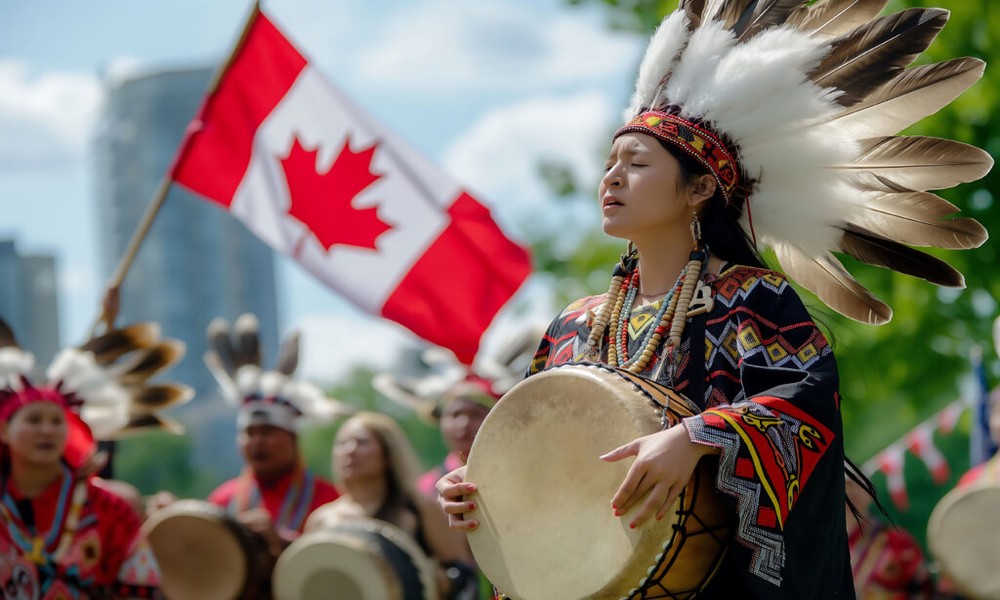
Artistic heritage produces national pride through direct encounter rather than instruction. Standing before a work made within the same national tradition creates a sense of ownership that no written record replicates. Judy Schulich’s engagement with major public institutions points to a recognition that this connection depends on sustained investment. Collections left underfunded lose works, lose context, and lose the capacity to produce that encounter for future visitors. Heritage is not a fixed category. It expands as institutions acquire new works, recontextualise existing ones, and bring previously excluded voices into permanent collections. A collection reflecting only a narrow segment of national output produces pride in a narrow segment of the population.
What makes collections nationally significant?
Collections become nationally significant not through size alone but through the range of perspectives they hold. A gallery housing works from pre-Confederation periods through contemporary production gives visitors direct access to the full arc of creative output this country has generated. Significance also depends on maintenance. Works acquired without conservation plans deteriorate. Context provided at acquisition becomes outdated as scholarship advances. Institutions investing in ongoing care keep works legible to audiences encountering them decades after acquisition. National pride connected to artistic heritage requires the heritage itself to remain intact and accessible.
Pathways to national artistic pride
- Permanent collection depth
Depth in permanent collections gives visitors repeated points of contact with the national artistic record. A work encountered once as a child and returned to as an adult carries accumulated meaning that a single visit cannot produce. Institutions building depth rather than rotating programmes create conditions for that accumulated relationship to develop across entire lifetimes, giving collections a reach that temporary shows never achieve.
- Indigenous works in collections
Indigenous works held in permanent national collections restore visibility to creative traditions that formal records long excluded. Their presence shifts the national artistic narrative toward something more complete. Visitors encountering these works within a major institution receive a fuller picture of national artistic heritage, one reflecting the actual range of creative output this land has produced across its full inhabited span.
- Donor investment in heritage
Private investment directed toward public collections sustains works and programmes that public funding alone cannot support. Donors contributing to acquisition, conservation, and public access extend institutional reach beyond what operating budgets permit. That investment translates directly into a broader national artistic record kept available to the public over extended periods.
- Educational programming reach
Programming connecting students to permanent collections builds familiarity with national artistic heritage at an early stage. Students encountering major works directly rather than through reproductions develop a relationship with those works that persists into adulthood. Institutions investing in educational access produce audiences carrying national artistic heritage forward as a lived reference rather than an abstract category.
Artistic heritage connects to national pride through what institutions preserve, maintain, and keep accessible across time. Collections reflecting the full range of national creative output, supported by sustained investment and professional care, give every visitor a direct stake in what those walls hold.