Meeting the Serengeti: Where the Wild Feels Limitless
The Serengeti is one of those places people talk about with a certain quiet awe, even years after they’ve been there. Part of that is the scale. Part of it is the life that moves through the landscape in patterns older than memory. And part of it is the feeling that, for a moment, you’re seeing the world as it looked before modern boundaries and busy schedules.
Serengeti safari tours are not only about ticking off famous animals. They’re about understanding an ecosystem in motion, learning how seasons shape behavior, and noticing the small details that make the plains feel alive. Whether you’re planning your first safari or refining a dream trip you’ve carried for a while, a little context can turn a good itinerary into a genuinely unforgettable one.
The Geography That Shapes Everything
At first glance, the Serengeti seems like a wide-open sweep of grassland, and in many areas it absolutely is. Those “endless plains” are the park’s signature, and they create the stage for many of its most dramatic wildlife scenes. But the Serengeti isn’t a single, uniform landscape. It’s a mosaic.
You’ll find broad savannas that stretch to the horizon, pockets of woodland where shade changes the feel of the air, and river corridors that become lifelines during the dry months. There are also kopjes, large granite outcrops that rise from the grass like islands. These rocky formations aren’t just striking to look at. They create microhabitats, offering shelter, vantage points, and warmer surfaces for reptiles and smaller mammals.
Elevation matters here too. The Serengeti’s varied altitude influences temperature, rainfall patterns, and vegetation types, which then shape where animals feed, rest, and raise young. The land’s long geological history, including ancient volcanic activity in the broader region, has left behind soils and formations that support a wide range of plant life. That diversity is one reason the wildlife density can feel so astonishing.
Wildlife Icons, and the Smaller Stories Around Them
If you’ve ever seen a photo of a Serengeti lion draped lazily over a kopje or a line of wildebeest spilling across a riverbank, you already have a sense of the park’s starring cast. Large mammals are the headline for many visitors, and the Serengeti delivers in a way that feels almost unreal.
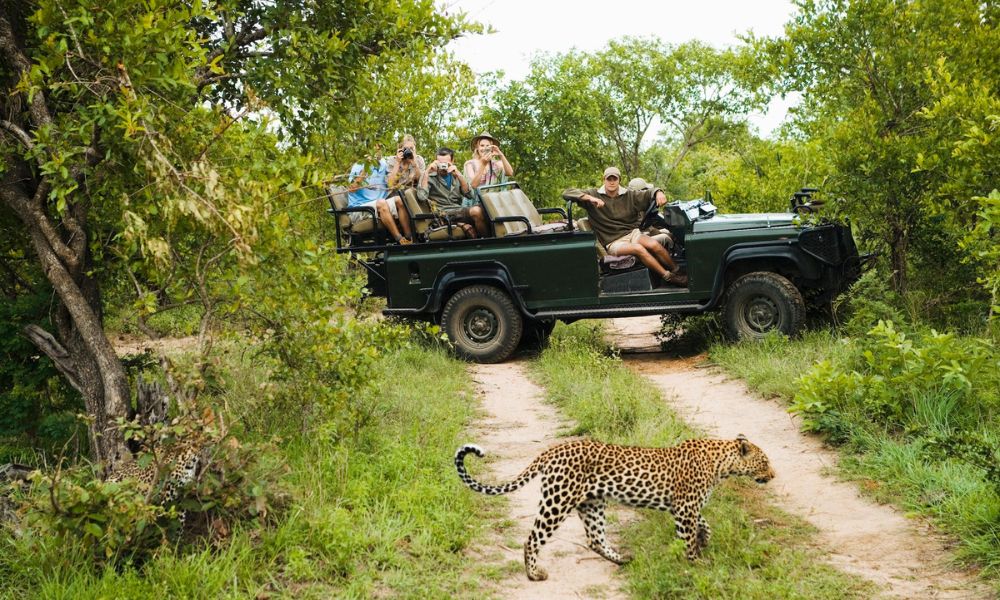
The “Big Five” are often the most requested sightings: lion, leopard, elephant, rhinoceros, and Cape buffalo. In the Serengeti, lions and buffalo are commonly spotted, while leopards require a little patience and luck. Elephants appear more frequently in certain areas, especially near woodlands and riverine zones. Rhinos are the rarest, and sightings are not guaranteed, but that rarity is part of what makes a well-timed encounter so memorable.
What’s equally rewarding, though, is noticing what happens around the big moments. Giraffes browsing at treetop height, hippos packed into shaded pools, and cheetahs scanning the horizon with that calm, focused intensity. Even the smaller creatures add texture to the experience: dik-diks flickering through brush, dung beetles rolling their careful treasures, and bright lizards sunning themselves on warm rock.
The Serengeti is also a major birding destination, whether you’re a dedicated enthusiast or simply someone who enjoys color and motion in the background. Raptors, rollers, hornbills, storks, and eagles fill the sky with constant activity. For many travelers, it’s the birds that make mornings feel especially vivid, when calls and wingbeats carry across the cool air.
Safari Styles: Finding the Experience That Fits You
Serengeti safari tours come in many forms, and choosing the right style is less about what’s “best” and more about what suits your interests, comfort level, and travel pace. The Serengeti can feel thrilling in a vehicle, deeply grounded on foot, and breathtaking from the air. Each approach reveals something different.
Game Drives: The Classic and Most Flexible Option
A traditional game drive is the foundation of most Serengeti trips, and for good reason. Traveling in an open-sided or pop-top 4×4 allows you to cover wide areas and respond to wildlife movement in real time. The best drives aren’t rushed. They give you room to linger when something unfolds, whether that’s a lion pride shifting toward shade or a herd of elephants crossing the track with a steady confidence.
Morning and late afternoon drives are popular because animals are more active when temperatures are cooler. Midday can still be rewarding, especially near rivers, waterholes, and shaded areas where animals rest. A well-planned day often includes a mix: early exploration, a slower midday break, and then another outing as the light softens and the plains begin to stir again.
Walking Safaris: A Quiet Way to Understand the Land
Walking safaris are often described as “more immersive,” and that’s true, but not in a dramatic, adrenaline-heavy way. The real magic is subtler. On foot, you notice tracks, insects, grasses, and scents that never register from a vehicle. You begin to see how the ecosystem is stitched together.
Guides on walking safaris tend to emphasize safety, awareness, and interpretation. You’re not out there to chase big animals. You’re learning how to move respectfully through a wild space, reading signs and understanding what they mean. For many visitors, it’s one of the most grounding parts of the trip, because it turns the Serengeti from a wildlife “show” into a living system you can feel beneath your feet.
Hot Air Balloon Safaris: The Serengeti From Above
If you want a sense of the Serengeti’s scale, a balloon safari at dawn is hard to match. As the sun rises and the light spreads across the plains, you can see animal trails, river lines, and clusters of movement that would be invisible from ground level.
Balloon safaris are especially popular during migration periods, when large herds create patterns across the landscape. But even outside peak migration, the aerial view offers a different kind of wonder: the quiet, the slow drift, the feeling that the world below is both vast and carefully ordered.
Most balloon experiences end with a celebratory breakfast in the bush, which adds a warm, classic touch to a very rare kind of morning.
Lodges and Tented Camps: Comfort Without Losing the Wild
Where you stay shapes how you experience the Serengeti. Some travelers prefer lodges with more amenities, private decks, and a stronger sense of retreat between drives. Others choose tented camps for their closeness to the sounds of the night and the feeling of being directly inside the environment.
Tented camps range widely, from simple and practical to high-end and beautifully designed. The best ones, at any comfort level, balance hospitality with respect for the landscape. You should still feel like you’re in the Serengeti, not sealed away from it.
Guided vs. Self-Drive: What’s Realistic in the Serengeti?
Some safari destinations are well-suited to self-driving. The Serengeti, however, is a place where guided safaris typically offer a stronger experience for most travelers, especially first-timers. That doesn’t mean independent travel is impossible, but it does come with real considerations.
Why Guided Safaris Often Deliver More Wildlife Moments
Good guides don’t just drive. They interpret. They know how animals behave in different conditions, where herds tend to move after rain, and what subtle signs indicate a nearby predator. They also communicate with other guides, sharing sightings in a way that can meaningfully increase what you see in a limited time.
Beyond wildlife, guides bring context. They explain the why behind what you’re watching: why certain birds follow large mammals, why lions hunt at particular hours, why a river crossing is so chaotic, and why that chaos matters.
Guided tours also reduce logistical stress. Route planning, park regulations, changing conditions, and safety decisions are handled by someone trained for the environment. That leaves you free to focus on observation, photography, and the experience itself.
When Self-Drive Appeals, and What to Watch Out For
Self-driving offers freedom and a sense of personal adventure. You can pause longer at a sighting that fascinates you, revisit a favorite area, or take a quieter track away from groups.
But the Serengeti is large, and conditions can change fast. Some roads become difficult after rain, and navigation is not always simple, especially in areas where landmarks are subtle. Wildlife spotting can also be more challenging without local insight, and you must be confident about safe distances and behavior around animals.
If you’re considering this option, it’s worth being honest about your comfort with remote driving, quick decision-making, and preparedness. Many travelers choose a hybrid approach instead: a guided safari for the core Serengeti experience, and more independent exploration elsewhere in Tanzania if conditions allow.
Timing Your Trip: Seasons, Migration, and What You’ll Actually See
The Serengeti is never empty, but it does change throughout the year. The best time to go depends on what you want most: dramatic migration scenes, predator activity, fewer crowds, lush landscapes, or easier wildlife spotting.
The Great Migration: A Moving Story, Not a Single Event
The Great Migration is often described as a “must-see,” but it’s important to understand that it isn’t one fixed moment. It’s a cycle. Millions of wildebeest, joined by zebras and gazelles, move in response to rainfall, grass growth, and survival pressure. Predators follow because they must.
River crossings, especially in the northern Serengeti and onward toward Kenya’s Masai Mara, are among the most famous scenes. These are intense, unpredictable, and deeply dramatic. But the migration also includes quieter chapters: long lines of movement across the plains, calving season with vulnerable newborns, and constant tension as predators test the edges of the herds.
If river crossings are your priority, timing matters a great deal, and flexibility helps. Conditions can shift year to year. Even within the same month, herd positions can vary based on rainfall patterns.
Seasonal Highlights Across the Year
From December to March, the southern Serengeti tends to be greener and full of new life. This is often linked to calving season, when wildebeest give birth in large numbers. With so many young animals on the plains, predator activity can be frequent and intense. The light is often beautiful, the landscapes lush, and the overall mood feels vibrant.
April and May are transitional months, often quieter in terms of tourism. Rains may appear, roads can be more challenging, and some travelers avoid this period. But for those who don’t mind a little unpredictability, it can be a rewarding time: fewer vehicles, softer landscapes, and excellent birdlife.
June through October is typically drier. Vegetation thins out, making wildlife easier to spot. Animals gather around water sources, and movement patterns can be clearer. This period also overlaps with popular migration viewing, which is one reason it draws more visitors.
November often brings short rains and a return of greener tones. It can be a lovely time for travelers who want a balance: active landscapes without the busiest peak-season feel.
Practical Preparation: What Makes a Safari Smooth and Enjoyable
The Serengeti rewards preparation, not in an over-the-top way, but in the simple details that keep you comfortable and ready for long days outside.
What to Pack Without Overpacking
Clothing should be lightweight, breathable, and easy to layer. Mornings can be cool, especially when you’re driving with wind in your face, while afternoons can be hot and bright. Neutral colors are practical, and they also feel appropriate in the landscape.
A wide-brimmed hat, sunglasses, and high-SPF sunscreen are essential. The sun can be intense even when temperatures feel mild. A light jacket or fleece is useful for early drives and evening downtime.
Footwear depends on your activities. If you’re doing walking safaris, bring sturdy, comfortable shoes. If your trip is mostly vehicle-based, you can keep it simpler, though something secure is still helpful.
Binoculars make a big difference. Even if you have a good camera, binoculars help you notice behavior at a distance, especially with birds or animals resting far from the track.
For cameras, bring extra batteries and memory cards. Dust is common, so consider a simple protective bag or cover. A small personal medical kit is also wise, including insect repellent and any medications you regularly need. Many travelers also bring a reusable water bottle to stay hydrated throughout the day.
Comfort Tips That People Often Forget
A safari day can be long, especially if you’re doing full-day drives. Pack small snacks if your operator allows it, and keep lip balm and hand wipes handy. Dust and sun can add up over time.
If you’re prone to motion sickness, prepare for bumpy roads. Even a mild remedy can make the difference between feeling great and feeling worn down.
Finally, remember that safari comfort isn’t about being perfectly polished. It’s about being prepared enough that you can relax into the experience without constant adjustments.
Ethical Safari Travel: Seeing More by Disturbing Less
The Serengeti’s wildlife is resilient, but it’s not infinite. Thoughtful travel helps protect what makes the park special.
Choosing Operators Who Respect the Ecosystem
Responsible safari operators follow park rules, prioritize animal welfare, and support conservation efforts in practical ways. Many also engage with local communities through employment, training, and partnerships.
When planning a trip, it’s reasonable to ask how a company approaches wildlife viewing. A good operator will be comfortable explaining their standards, including how they handle sensitive sightings, crowding, and off-road driving policies.
If you’re researching options online, you may come across resources like https://africamarveltours.com/tanzaniasafaris while comparing itineraries and travel styles. Whatever source you use, the key is to look for clear signs of responsible practices rather than focusing only on luxury or speed.
Wildlife Etiquette That Protects Everyone’s Experience
Keeping a respectful distance from animals is not only safer, it also leads to better viewing. Animals that feel crowded change their behavior, and that can ripple outward, affecting other sightings and future visitors.
Noise matters too. Quiet observation helps you notice more, and it also keeps encounters calm. Flash photography should be avoided around sensitive animals, especially at night.
Waste is another part of ethical travel. Reduce single-use plastics where you can, keep personal trash secured, and follow “leave no trace” habits even when you’re tired at the end of the day.
A safari is a privilege. When travelers treat it that way, the experience becomes richer, not stricter. You begin to see that the goal isn’t to control the wild for a perfect photo. It’s to witness it honestly and let it remain wild.
Bringing It All Together: Planning a Serengeti Safari That Feels Like Yours
The Serengeti can meet many different kinds of travelers. Some come for the migration’s drama. Some come for big cats and birdlife. Others come for the quieter feeling of being far from noise and deadlines, waking early and watching the world move at its own pace.
The best Serengeti safari tours are not built around rushing from sighting to sighting. They’re built around rhythm: early mornings, open horizons, patient observation, and guides who help you see what’s right in front of you.
If you plan with the seasons in mind, choose a safari style that matches how you like to travel, and pack for comfort without overcomplicating things, you’ll set yourself up for the kind of trip that stays with you. The Serengeti has a way of doing that, not through constant spectacle, but through moments that feel quietly profound, because they’re real and they belong to the land.