Nobody explains this part before you go. Browse resorts in phang nga long enough and every listing sells the pool, the view, the amenities. What they don’t quite capture is that the days here don’t run on a schedule so much as drift into shape on their own.
Mornings start slow. Coffee somewhere with a view, no rush behind it. Maybe a walk down to the water before the heat sets in properly, maybe not. Nothing about the first few hours asks anything of you.
By midmorning the pool starts to fill. Not with plans, just with people. A book that stays open on the same page for an hour. A conversation that starts about nothing and drifts somewhere else entirely. Time moves differently when there’s nowhere it needs to go.
The Middle of the Day Belongs to No One
Lunch happens whenever it happens. Sometimes at the resorts in phang nga, sometimes not. There’s rarely a reason to leave the property, and often no reason to want to.
This is where a slower stay earns its reputation, less for any single feature and more for how little effort a good afternoon takes. A spa treatment gets booked on a whim. A nap happens without guilt. The heat of early afternoon usually settles things anyway, pulling everyone toward shade or water until it passes.
Nothing about this stretch of the day photographs particularly well. It’s not meant to. It’s the part that makes the rest of the trip feel unrushed.
Evenings Have Their Own Rhythm
Late afternoon shifts the mood. Light softens, the heat lifts, and people start reappearing from wherever they’d been hiding through the worst of the sun. Drinks show up before dinner does. Nobody’s checking the time.
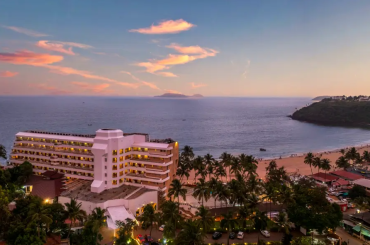
Dinner itself rarely feels like an event unless you want it to. Some nights it’s simple, plates shared at a table by the water. Other nights it stretches longer, especially when the setting does most of the work on its own.
What stands out isn’t any one meal or any one view. It’s how little planning any of it required.
Why Unhurried Beats Packed, at Least Here
A trip built around sightseeing measures itself in stops covered. A trip like this measures itself differently, if it measures itself at all. Ask someone what they did on day three and they might genuinely struggle to answer. Not because nothing happened, but because nothing needed to be remembered as an achievement.
That’s easy to undervalue until you’re actually living it. A packed itinerary gives you stories. A slow one gives you rest, and rest turns out to be harder to come by than most people expect from a holiday.
By the last evening, the days start to blur together a little. Not from boredom. From the particular kind of sameness that only shows up when nothing was forced to happen on any of them.
That blur is usually the sign the trip did what it was supposed to do.