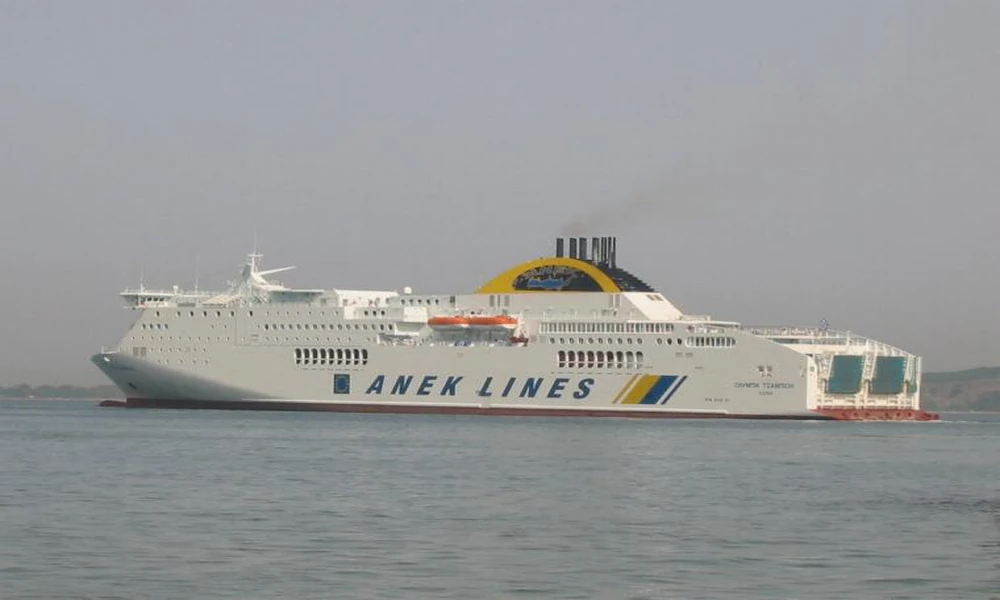
Most of what makes an island ferry trip easy or stressful happens on land, before anyone steps onto the boat. The run from singapore to batam is a good example. On the water it lasts somewhere between 45 minutes and a little over an hour, depending on the route. Even so, plenty of travellers end up spending more of the day in queues and taxis than at sea. Getting it right is mostly a matter of doing a few small things in the right order.
The Crossing Is the Shortest Part of the Trip
Sailing time is the number printed on every ticket, so it is the one people remember. It leaves out a lot.
Ferry companies want passengers at the counter well before departure. Check in typically closes about half an hour before the boat leaves, with passport and ticket shown at the desk. Outbound immigration comes next. On landing there is a second round, with passport and customs checks on the island side.
Then there is the ride to the departure terminal, plus whatever transfer waits at the other end. Put all of it together and an hour on the water can easily stretch to three hours or more from home to hotel. Travellers who plan for the full stretch, rather than the sailing time alone, tend to arrive in a far better mood.
Documents That Must Be Ready Before Boarding
Paperwork is the one thing that can cancel a trip outright, so it pays to look at it several days early rather than at the counter.
Passports need at least six months of validity left from the date of travel. Beyond that, visa rules depend on nationality. Southeast Asian passport holders can generally stay up to 30 days without a visa, while travellers from many other countries can buy a visa on arrival at the immigration hall. On top of that, every traveller has to complete Indonesia’s electronic customs declaration before landing.
These rules get updated now and then, so the official immigration guidance is the place to check close to the date. It would be a shame for a fully paid trip from Singapore to Batam to stall at the counter because a passport runs out two months too soon.
Most of the preparation fits on one short list.
- A passport with at least six months of validity remaining
- A visa, or cash or card for a visa on arrival, depending on nationality
- The completed electronic customs declaration
- Ferry tickets, either printed or saved on a phone
- Hotel booking details for the arrival form
- A little local currency for the first few hours
Where the Trip Really Begins
From the ferry deck on a clear day, the skyline on the far shore stays visible for much of the crossing. The two coasts are that close. Because the water takes so little time, the hours around it end up deciding how the trip feels.
Choosing the right terminal handles a large share of that. It shortens the transfer and trims the queue, and it puts the traveller down a few steps from where the holiday is meant to start.